Terence is a Research Coordinator for the Foundation of HKPLTW with interests in history & traditions, social organization & inter-group relations, culture & religion, and economics & politics of Canadian Indigenous People and Visible Minorities. Follow him on Twitter: @hkpltw
CharitiesNFT: A kind of digital-twin NFT, promotes NFTizing physical artwork created by grass-root artists, using Hologram and Holo-DKEY for Crypto-Validation.
CharitiesDAO: A kind of DANO (Decentralized Autonomous Non-profit Organization) with an ecosystem of charities founders, individual contributors and receivers, project accelerators and incubators. This is building more transparent and efficient decentralized donation chains.
In a series of articles, I will introduce WHITE PAPER of CharitiesNFT and CharitiesDAO and discuss how they work for Canadian Indigenous Traditional Culture and Grass-root Artists as one of the application scenarios of CharitiesNFT.
What Is CharitiesDAO?
CharitiesDAO is not simply a “DAO.” It is trans-border integration with traditional charities. CharitiesDAO, with its unique CharitiesNFT, is the best solution, which is based on the concept of Share-to-give that charity resources can be shared best and contributed sustainably to maximize the value of charity.
Unlike any other DAOs, most of which aim at gamble-to-riche, adventure-to-fame or speculation-to-fortune, the purpose of CharitiesDAO, with its unique CharitiesNFT, is to empower and fund those building and contributing towards the overthrowing revolution for Traditional Charities. The society of CharitiesDAO is built with the goal of SHARE-TO-GIVE and to make it as difficult as possible to break away from the deadlock of traditional charities.
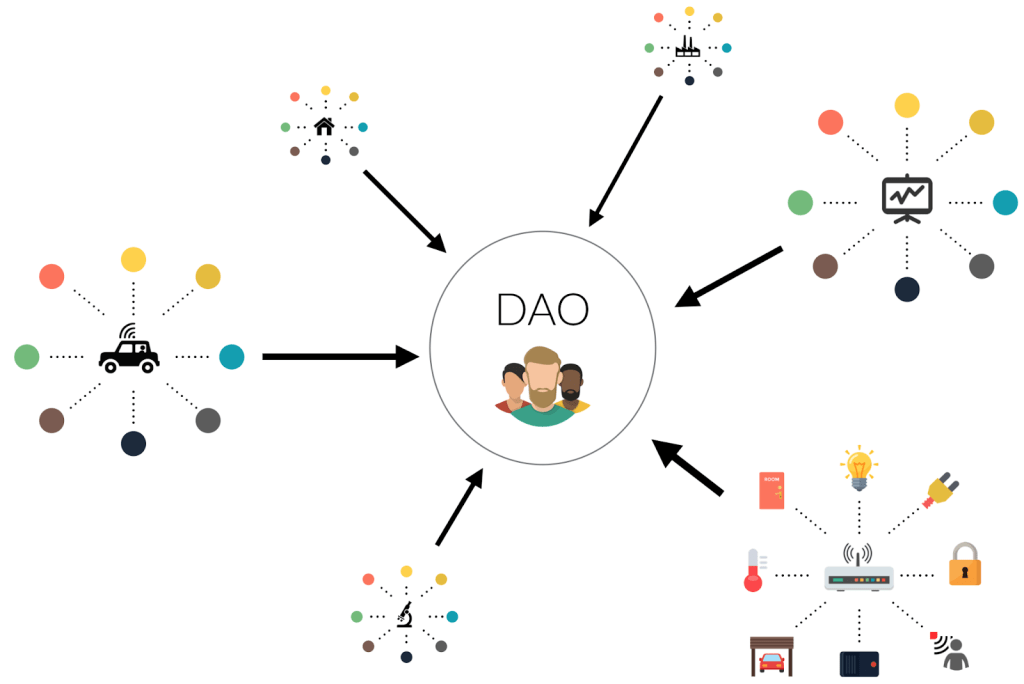
This opaque, cumbersome, inefficient (even corrupted) system has been besetting conventional charities and criticized the public for many years. CharitiesDAO, a new kind of DAO 2.0 with a distinctive multiple-structure autonomous system, is a kind of DANO (Decentralized Autonomous Non-profit Organization), funding blockchain projects via intelligent contracts (entity), the key for deadlocks besetting the traditional charities.
Curve DAO is a DeFi DAO invest-to-earn. It is the governance token for CURVE Finance which is a decentralized exchange for stable-coins. It uses Automated Market Maker (AMM) for managing liquidity. It is described as “Maker would accumulate CRV tokens from a share of LP incentives earned by vault users, and would seek permission from Curve governance to lock CRV into veCRV to be able to participate in CurveDAO governance”. It focuses on swapping assets that have the same value which can be useful for the DeFi ecosystem. Its direct swap functions enables users to pay significantly lower trading fees.
PleasrDAO focuses on investing the collection of NFT – “Invest-to-earn”. It is a collective of DeFi leaders, early NFT collectors and digital artists who is a formidable yet benevolent reputation for acquiring culturally significant pieces with a charitable twist. It has “fractionalized” the NFT — hence, the NFT is represented by lots of tokens, which are standard for creating and issuing smart contracts on the blockchain.
YGGDAO focuses on blockchain play-to-earn games. It invests in NFT assets and connects blockchain gamers around the globe . YGGDAO’s goal is to build a network of players and investors who help each other get started and grow in the NFT gaming space. It makes up of multiple SubDAOs — each SubDAO has its own set of rules to manage the activity and assets of the respective play-to-earn game. The YGG system allows players to maximize their in-game profits and enables players to rent and use the community-owned NFT assets to earn in-game rewards. In return, those that lend their NFTs via the DAO can share a portion of the players’ earnings.
InfinityGameNFT is a NFT play-to earn game that runs on blockchains. It is is a multiplayer gaming platform that allows its players to earn money with our $IFPAY rewards token.
Conclusion: Why CharitiesDAO is Superior?
Overall, CharitiesDAO, with its unique CharitiesNFT, is the best solution, which is based on the concept of Share-to-give that charity resources can be shared best and contributed sustainably to maximize the value of charity, and Decentralized CharitiesDAO that anyone can monitor, inspect and scrutinize to minimize unnecessary waste and corruption in the whole donation-chain etc.
This is an opinion article; the views expressed by me. Follow Me on Twitter: @hkpltw And @Terry_Terence97
Terence is a Research Coordinator for the Foundation of HKPLTW with interests in history & traditions, social organization & inter-group relations, culture & religion, and economics & politics of Canadian Indigenous People and Visible Minorities. Follow him on Twitter: @hkpltw
CharitiesNFT: A kind of digital-twin NFT, promotes NFTizing physical artwork created by grass-root artists, using Hologram and Holo-DKEY for Crypto-Validation.
CharitiesDAO: A kind of DANO (Decentralized Autonomous Non-profit Organization) with an ecosystem of charities founders, individual contributors and receivers, project accelerators and incubators. This is building more transparent and efficient decentralized donation chains.
In a series of articles, I will introduce WHITE PAPER of CharitiesNFT and CharitiesDAO and discuss how they work for Canadian Indigenous Traditional Culture and Grass-root Artists as one of the application scenarios of CharitiesNFT.
Introduction
In the previous article, I mentioned that CharitiesDAO is a kind of DANO (Decentralized Autonomous System), and why CharitiesDAO pairing with CharitiesNFT could be an overthrowing revolution for traditional charities. As a recap, various traditional charities are founded on strong principles, but ultimately either fall short of fulfilling the expectations donors need, or are misleading in their advertising.
The advantage that CharitiesDAO has over traditional charities is that it is new kind of DAO2.0 with distinctive multiple-structure autonomous system. Because of CharitiesDAO’s uniqueness, it funds blockchain projects via smart contracts, the key for deadlocks besetting the traditional charities. The deadlocks are an opaque process, a cumbersome bureaucracy, inefficient (even corrupted) system. It has been besetting the traditional charities and criticized by the public for many years. CharitiesDAO, via intelligent contracts, can solve the deadlocks. Because anyone can supervise, which minimizes unnecessary corruption in the whole donation.
In this article, I will continue to discuss the advantages of CharitiesDAO and CharitiesNFT over traditional charities and some possible disadvantages. Starting with CharitiesNFT, it provides undisputed copyright protection and authentication. For example, in an art donation event, CharitiesNFT can exclusively in accord with one physical artwork in reality world, for eternal identifiability. When a physical artwork is traded in reality world, its pairing CharitiesNFT would be changed ownership in Web 3.0 Meta-verse accordingly, and all donation transaction information would be digital recorded on its pairing CharitiesNFT, for eternal traceability.
Key Advantages of CharitiesDAO
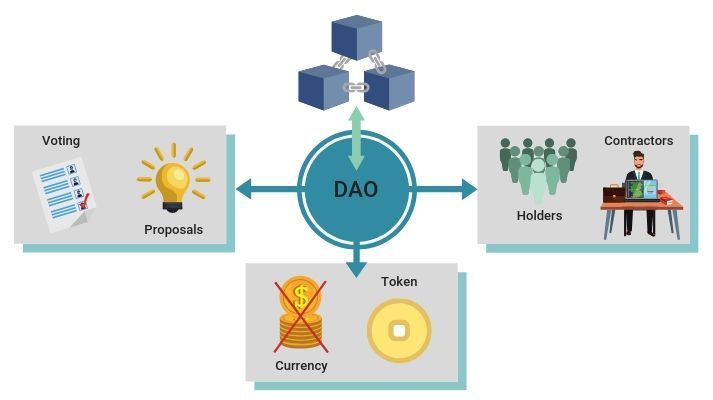
CharitiesDAO allows anyone (Government authority, NGO fundraising organization, social workers and volunteers, benefactors and contributors, and beneficiaries and receivers) can monitor, inspect and scrutinize to minimize unnecessary waste and corruption in a whole donation chain. Each charity is governed by their respective charityDAO, responsible for charity-level governance decisions.In a typical of CharitiesDAO, there are two kinds of upper-structural blocks and sub-blocks: Government Funding Authorities (i.e. Indigenous Service Canada-Federal Government) whose roles and functions are for policymaking, supervising and granting etc.; Registered NGO organizations (i.e. Assembly of First Nations (AFN), Foundation of HKPLTW-CA), whose roles and functions are for fundraising, planning, co-supervising, directing and policy-executing etc. Each charity is governed by their respective CharitiesDAO, responsible for charity-level governance decisions.
Having government authorities or governance play a central role in decentralized body of CharitiesDAO. While CharitiesDAO empower charities with financial freedom, a central governance body monitors and puts sustainable and influence-free money away from corruptions. CharitiesDAO create transparent and secure endowment accounts. It has ambitious goals for the future of giving the collective potential of engaged donors to rethink old structures of monetary power and influence in traditional charities. In many nonprofits and charities lack the long term operating reserves creates existential challenges for charities including poor predictability of volatile cash flows and allocation of resources and time. The goal for CharitiesDAO is to disrupt this outdated model (Traditional Charities).It will allow charities to receive donations via perpetual endowment accounts. These accounts allow donations to compound over time, generating interest to “eternally” contribute.
Also, there are generally three kinds of lower-structural nodes: Social workers and volunteers under specific NGOs, whose roles and functions are for operating, coordinating, interacting and researching etc. Benefactors, donator and contributors, whose roles and functions are for donating, inspecting, consulting etc. Beneficiaries, donators and receivers, whose roles and functions are for reacting, monitoring and reporting etc.
Furthermore, the unique characteristic of CharitiesDAO is decentralized with certain extent of centralized. Allblocks and nodes in a typical donation chain of CharitiesDAO have equal rights for voting and selecting all kinds of specific committees while those committees are fully responsible for making strategic decisions and policies, like planning the projects and pushing forward, supervising and directing the progress etc. To operate with the utmost transparency and accountability, DANO governance in charitable organizations happen on chain. This eliminates opportunities for fraudulent activities. In DANO, a Board of directors is elected on-chain by token holders for a set term. The role of the board of directors is to provide strategic guidance and settle arbitration. Furthermore, the directors establish an finance committee, which oversees the financial aspects of operations and publishes annual reports. In addition, they creating a charity screening committee to review applications, perform due diligence and validate the charities.
However, are the things above all workable? Having a governance authority over a decentralized body might not be as prefect as it seems on paper. It is biggest shortcoming is similar to the current European Union. On paper, EU is an great economic power and seems united in an union. However, creating an overseeing government does not heal division since there is still a sense of nationalism that provides the foundation of what has been built in the 90s.
Similarly, CharitiesDAO’ decentralized body can provide that it can provide helpful benefits from an empowerment standpoint (e.g. empower charities with financial freedom and allow anyone to supervise). But, when push comes to shove, the harmony present is more for outward appearances only. In the decentralized management, there will be inconsistencies in relaying the message to employees because there are no clear lines of authority. Directing the organization’s vision from the top allows for a smooth implementation of its visions and strategies.
Furthermore, the election of the governance authorities in CharitiesDAO may not always be transparent. The commission has the authority to wield plenty of influence and power, but the average person has no say in who represents them in this way or what the quality of the representation will be. This makes it difficult for “anyone to supervise the process of a charity completely”.
Last, the executives are under tremendous pressure to formulate decisions for the organization, and they lack control over the implementation process. The failure of executives to decentralize the decision-making process adds a lot of work to their desks. The executives suffer from a lack of time to supervise the implementation of the decisions. This causes reluctance on the part of employees. Thus, the executives may end up making too many decisions that are poorly implemented by the employees.
New Vision
CharitiesDAO is not simply a “DAO” , but is trans-border integration with traditional charities. CharitiesDAO, with its unique CharitiesNFT, is the best solution, which is based on the concept of Share-to-give that charity resources can be shared best and contributed sustainably to maximize the value of charity, and decentralized CharitiesDAO that anyone can monitor, inspect and scrutinize to minimize unnecessary waste and corruption in the whole donation chain etc.
Terence is a Research Coordinator for the Foundation of HKPLTW with interests in history & traditions, social organization & inter-group relations, culture & religion, and economics & politics of Canadian Indigenous People and Visible Minorities. Follow him on Twitter: @hkpltw
CharitiesNFT: A kind of digital-twin NFT, promotes NFTizing physical artwork created by grass-root artists, using Hologram and Holo-DKEY for Crypto-Validation.
CharitiesDAO: A kind of DANO (Decentralized Autonomous Non-profit Organization) with an ecosystem of charities founders, individual contributors and receivers, project accelerators and incubators. This is building more transparent and efficient decentralized donation chains.
In a series of articles, I will introduce WHITE PAPER of CharitiesNFT and CharitiesDAO and discuss how they work for Canadian Indigenous Traditional Culture and Grass-root Artists as one of the application scenarios of CharitiesNFT.
Introduction
In the last three articles, we discuss the potentials of NFT in the art industry and the growing trends of NFT galleries of digital, irreplaceable unique works of art. With the emergence of NFT, the grassroots artists and traditional visual art communities are given the opportunity to enter into a bigger market. We talked about ‘CharitiesNFT’. It is a NFT system specialized for NFTizing physical artwork in the Web3.0 Metaverse. It is an exciting and hopeful prospect that can genuinely promote the high appreciation and up-valuation of those traditional grassroots artists and their physical artworks in the future. In addition, CharitiesNFT is a kind of Digital-twin NFT special for NFTizing a traditional physical artwork, mirroring only-one-on-one, eternally non-counterfeited.
How Can the Traditional Charities be Improved More Efficiently and Transparently in Cainozoic Era?
Often the “corruption” of charities takes the form of high executive salaries and low percentage of funds donated to the cause at hand. Oftentimes, traditional charities are founded on strong principles, but ultimately either fall short of fulfilling the expectations donors need, or are misleading in their advertising. ChartiesDAO with its unique CharitiesNFT, the overthrowing revolution for Traditional Charities, is a kind of DANO (Decentralized Autonomous Non-profit Organization), funding blockchain projects via smart contracts, the key for deadlocks besetting the traditional charities.
The deadlocks are an opaque process, a cumbersome bureaucracy, inefficient (even corrupted) system. It has been besetting the traditional charities and criticized by the public for many years. CharitiesDAO, via intelligent contracts, can solve the deadlocks. Because anyone can supervise, which minimizes unnecessary corruption in the whole donation.
For example, in an art donation event, CharitiesNFT can exclusively in accord with one physical artwork in reality world, for eternal identifiability. When a physical artwork is traded in reality world, its pairing CharitiesNFT would be changed ownership in Web 3.0 Meta-verse accordingly, and all donation transaction information would be digital recorded on its pairing CharitiesNFT, for eternal traceability.
CharitiesDAO vs Traditional Charity: More Transparent and Efficient Decentralized Donation Chain
Charities operate by setting-up funds that invest in for-profit businesses, allocate part of the profits to the charitable causes they serve the rest to grow in perpetuity. These funds are called endowments. What is the problem? The barriers to entry are too great for most charities to gain access to an endowment. This is where CharitiesDAO and Angel Protocol come in.
All Blocks and Nodes in a typical donation chain of CharitiesDAO includes:
Government authority: Granting, Supervising, Policymaking.
Beneficiaries and Receivers: Monitoring and Reporting.
Distribution and Fund flowing Mechanism
Supervising and Measuring Mechanism
In CharitiesDAO, anyone (Government authority, NGO fundraising organization, social workers and volunteers, benefactors and contributors, and beneficiaries and receivers) can monitor, inspect and scrutinize to minimize unnecessary waste and corruption in a whole donation chain. Each charity is governed by their respective charityDAO, responsible for charity-level governance decisions.
Angel Protocol
Angel protocol’s vision is to empower charities — putting sustainable and influence-free money in the hand of charities on the frontlines of creating a justice-centred world. Overall, governance plays a central role in the vitality of Angel protocol. To do this, Angel will create transparent and secure endowment accounts. It has ambitious goals for the future of giving the collective potential of engaged donors to rethink old structures of monetary power and influence in traditional charities.
In many nonprofits and charities lack the long term operating reserves creates existential challenges for charities including poor predictability of volatile cash flows and allocation of resources and time. Angel protocol’s goal is to disrupt this outdated model (Traditional Charities). With Angel, it will allow charities to receive donations via perpetual endowment accounts. These accounts allow donations to compound over time, generating interest to “eternally” contribute.
DANO Body
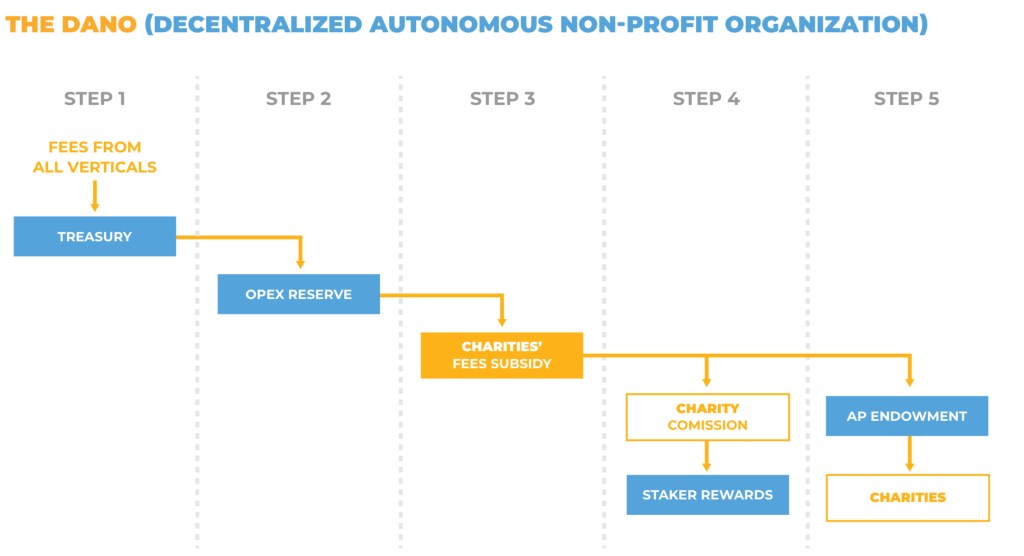
The DANO is the decentralized body that governs Angel Protocol. It has been designed to empower charities with financial freedom. With Angel, Charities can create endowments that are subject to governance by charity-level DAOs as well as the Angel DANO (Decentralized Autonomous Non-profit Organization). DANO ensures that all funds are passed on to charities rather than passing the funds into the pockets of executives.
To operate with the utmost transparency and accountability, DANO governance in charitable organizations happen on chain. This eliminates opportunities for fraudulent activities.
In DANO, a Board of directors is elected on-chain by token holders for a set term. The role of the board of directors is to provide strategic guidance and settle arbitration. Furthermore, the directors establish an finance committee, which oversees the financial aspects of operations and publishes annual reports. In addition, they creating a charity screening committee to review applications, perform due diligence and validate the charities.
Tokens are designed for donors to take part in the governance of Angel Protocol. To take part in the governance, token holders stake the DANO’s token ($HALO) to the charity organizations. The value and goal of the token holders are to incentivize the actions of curating, donating and governing whilst allowing the token holders to participate in the upside as each endowment grows. Since DANO is based on a decentralized body, anyone can monitor as long as donors deposit $HALO tokens into charity in exchange for charity shares of governance. Basically, charity shares can be exchange for $HALO tokens, and CharityDAO will be governed by $HALO token holders who stake into it. When getting tokens from the DANO, the token holders will receive shares back, which represents their share of the DANO and grants them cash flow rights.
Furthermore, DANO creates a strong sense of community between a charity and donors. The token holders of Angel Protocol $HALO token have exclusive rights to participate in decisions for charities. They can veto any of the decisions taken by the DANO’s Board of Directors. $HALO token holders have exclusive rights to participate in governance decisions for those charities with which they have staked. Such governance decisions might include the voting on charity created proposals and strategic direction. The token holders help charity organizations raise more money via curation and signalling. By enabling donors to take part in the governance of Angel Protocol, a special procedure is triggered to determine if the proposal is valid and to offer fast arbitration and injunction action if necessary. Above all, there will be an increased visibility in charity organizations.
CharitiesDAO with its unique CharitiesNFT is the best solution, which is based on concept of Share-to-give that charity resources can be share best and contributed sustainably to maximize the value of charity, and decentralized CharitiesDAO that anyone can monitor, inspect and scrutinize to minimize all unnecessary waste and corruption in the whole donation-chain. It will be an overthrowing revolution for traditional charities that makes the ability to offer “Share-to-Give” that charity resources can we share best and contribute sustainably to maximize value of charity. Each charity is governed by their respective charityDAO, responsible for charity-level governance decisions.
Terence is a Research Coordinator for the Foundation of HKPLTW with interests in history & traditions, social organization & inter-group relations, culture & religion, and economics & politics of Canadian Indigenous People and Visible Minorities. Follow him on Twitter: @hkpltw
CharitiesNFT: A kind of digital-twin NFT, promotes NFTizing physical artwork created by grass-root artists, using Hologram and Holo-DKEY for Crypto-Validation.
CharitiesDAO: A kind of DANO (Decentralized Autonomous Non-profit Organization) with an ecosystem of charities founders, individual contributors and receivers, project accelerators and incubators. This is building more transparent and efficient decentralized donation chains.
In a series of articles, I will introduce WHITE PAPER of CharitiesNFT and CharitiesDAO and discuss how they work for Canadian Indigenous Traditional Culture and Grass-root Artists as one of the application scenarios of CharitiesNFT.
CharitiesNFT And CharitiesDAO
In the last two articles, we discuss the potentials of NFT in the art industry and the growing trends of NFT galleries of digital, irreplaceable unique works of art. With the emergence of NFT, the grassroots artists and traditional visual art communities are given the opportunity to enter into a bigger market. In addition, we talked about ‘CharitiesNFT’. It is a NFT system specialized for NFTizing physical artwork in the Web3.0 Metaverse. It is an exciting and hopeful prospect that can genuinely promote the high appreciation and up-valuation of those traditional grassroots artists and their physical artworks in the future. In addition, CharitiesNFT is a kind of Digital-twin NFT special for NFTizing a traditional physical artwork, mirroring only-one-on-one, eternally non-counterfeited.
The Infrastructures of CharitiesNFT?
CharitiesNFT will be exclusively in accord with one physical artwork in reality world, for eternal identifiability. When a physical artwork is traded in reality world, its pairing CharitiesNFT would be changed ownership in Web 3.0 Metaverse accordingly, and all transaction information would be digital recorded on its pairing CharitiesNFT, for eternal traceability. In other words, CharitiesNFT is based on technique of Digital-Twin NFT is one of the best tools for this system. Any traditional physical artwork can be digitally mirrored and linked to its unique NFT on a specific customized blockchain, embedding scarcity and rarity, traceability and identifiability, authenticity and non-counterfeited, high-appreciation and up-valuation.
How Is a Traditional Physical Artwork Mirrored And Linked to Digital-Twin NFT of CharitiesDAO to be Unique And Stayed in Value?
CharitiesNFT is a kind of Digital-twin NFT special for NFTizing a traditional physical artwork, mirroring only-one-on-one, eternally non-counterfeited. CharitiesNFT in Web 3.0 will be exclusively in accord with one physical artwork in reality world, for eternal identifiability. When this physical artwork is traded in reality world, its pairing CharitiesNFT would be changed ownership in Web3.0 Metaverse accordingly, and all transaction information would be digital recorded on its pairing CharitiesNFT.
In addition, CharitiesNFT is a direct value exchange, allowing artists to earn a greater percentage of profit as value is exchanged through the blockchain network. Artists can benefit proportionally as their artworks circulate through the NFT platforms over time, because percentage-based resale royalties can be baked into the terms of every NFT sale. The underlying mechanism of NFT trades is the “smart contract,” a set of commands that executes on the blockchain without intervention once objectively verifiable conditions are met.
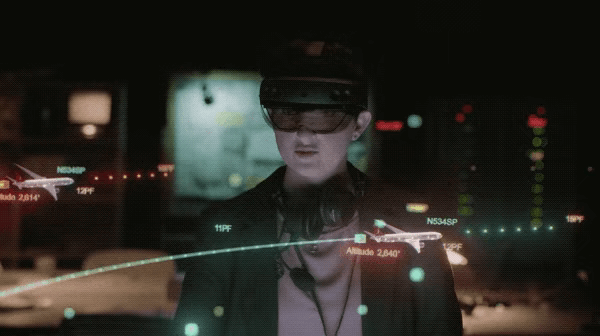
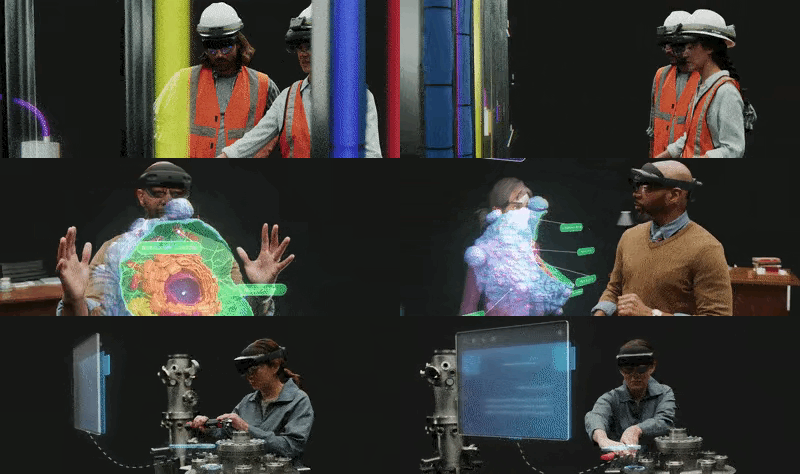
Popularization of Hologram Technology
Hologram Tech:
Digital record 3D information of a physical artwork by Holography device.
Digital record moments-timeline of each creation stages at which the artist exhibit his own esoteric craftsmanship and mysterious tradition and culture embedded behind the artwork.
Integrate all 4D (3D + Timeline) information and generate a synthetic rainbow hologram combining computer-generated holography with optical holography, in which the whole image is contained within every segment of all 4D information of the physical artwork.
NFTizing-by-Hologram System:
Generate an unique Holo-DKEY encrypted through hologram algorithms (random combination of factors of hologram light sources: dimensional degree, light angle, light wavelength etc).
Mint all holonomic 4D information of the physical artwork into a Digital-Twin NFT (CharitiesNFT), which acts as an unique verification certificate for Crypto-validation.
The CharitiesNFT is digital-recorded on a specific customized blockchain of Web3.0, mirroring only-one-on-one to the physical artwork in reality world, eternally traceable and non-counterfeited.
No matter where, who and when, once reconstructed by the specific hologram light sources by optical decryption with homologous 4D information linking to the CharitiesNFT, authenticity of the physical artwork in the real world can also be verified.
Maturity of NFTizing-by-Hologram system Are The Key For CharitiesNFT and CharitiesDAO
CharitiesNFT, based on the technique of Digital-Twin NFT, is one of the best tools for this system. Any traditional physical artwork can be digitally mirrored and linked to its unique NFT on a specific customized blockchain, embedding scarcity and rarity, traceability and identifiability, authenticity and non-counterfeited, high-appreciation and up-valuation. CharitiesDAO via smart contracts can solve the deadlocks, besetting the traditional charities criticized by the public for many years. Ideally, anyone can supervise and scrutinize, which will minimize unnecessary waste and corruption in the whole donation chain.
The blockchain contains an artwork’s complete provenance and copyright details, with the potential to add a wide range of surrounding information that could benefit the artist. Should intellectual property disputes arise, an NFT’s entire transaction history can be audited back to its minting, providing unassailable “on-chain” proof of which party’s claims are legitimate.
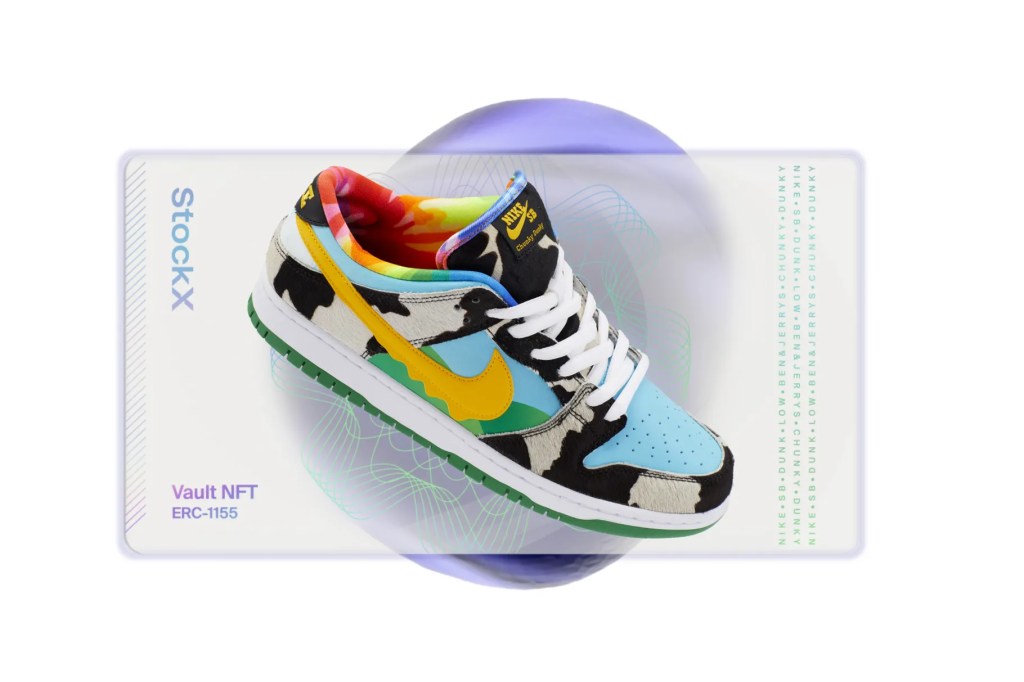
A good example of NFTizing-by-Hologram system is how Nike’s “CryptoKicks” platform keeps track of the ownership and verifies the authenticity of sneakers using the blockchain-based system. When a buyer purchases a pair of “CryptoKicks,” you will get a digital code attached to a unique identifier of that sneaker. As a result, there is a digital scarcity of digital assets, as their production is effectively tied to the production of authentic sneakers.
When a buyer purchases a pair of shoes, a digital representation of a show may be generated, linked with the buyer, and assigned a cryptographic token, where the digital shoe and cryptographic token collectively represent a “CryptoKick.” When the sneakers are sold to another person, the ownership can be easily transferred by trading authentic shoes and associated digital assets. These digital assets are stored in a cryptocurrency wallet application.
Summary: Unlimited Potentials
The CharitiesNFT has the potential to promote high-appreciation and up-valuation of those traditional grass-root artists and their physical artworks in the future. CharitiesNFT has galvanized artists to radically restructure how the art market could work if they started from square one. Because in a way, they can. New, decentralized marketplaces can welcome artists and buyers independent of the art establishment’s approval. It will break the norms in art world where the institutions with long histories and pre-existing industry connections wield enormous influence over who gets to participate in a hierarchical system.
In my vision, CharitiesDAO is not simply a “DAO” , but is trans-border integration with traditional charities. It will have distinctive infrastructure that is built with unique protocols and rules, which different with those of other DAOs. In web 3.0, CharitiesDAO will be an overthrowing revolution for traditional charities, which is based on decentralized platforms DAOs making the ability to offer “Share-to-Give” that charity resources can we share best and contribute sustainably to maximize value of charity.
Terence is a Research Coordinator for the Foundation of HKPLTW with interests in history & traditions, social organization & inter-group relations, culture & religion, and economics & politics of Canadian Indigenous People and Visible Minorities. Follow him on Twitter: @hkpltw
Terence is a Research Coordinator for the Foundation of HKPLTW with interests in history & traditions, social organization & inter-group relations, culture & religion, and economics & politics of Canadian Indigenous People and Visible Minorities. Follow him on Twitter: @hkpltw
CharitiesNFT: A kind of digital-twin NFT, promotes NFTizing physical artwork created by grass-root artists, using Hologram and Holo-DKEY for Crypto-Validation.
CharitiesDAO: A kind of DANO (Decentralized Autonomous Non-profit Organization) with an ecosystem of charities founders, individual contributors and receivers, project accelerators and incubators. This is building more transparent and efficient decentralized donation chains.
In a series of article, I will introduce WHITE PAPER of CharitiesNFT and CharitiesDAO and discuss how they work for Canadian Indigenous Traditional Culture and Grass-root Artists as one of the application scenarios of CharitiesNFT.
Can NFT Art Replace Traditional Art?
With the continuous development of non-fungible token (NFT) art as an art industry, a new trend is quickly emerging: physical NFT galleries contain digital, irreplaceable unique works of art. NFT allows grassroots artists or traditional visual art communities seize opportunities to tap into an inaccessible market. Being both grassroots and traditional visual artists, NFT will be great for the Canadian First Nation artists. This article will explain why and how the First Nation artists’ artistic skills in woodcarving, painting, and embroidery can transfer easily over to NFT digital art platform.
High Demand For NFT ART Industry
There is a high demand for NFTs in today’s art industry. Many art traditionalists may question the importance and even necessity of NFTs because they are not “Real”. Many even went on to say that NFT will not replace physical art, just as NFT of baseball card will replace real baseball card. While this is just an opinion from the “Old heads”, I believe that the confusion surrounding NFTs and art values may stem from a lack of understanding. NFTs is an innovation that will open the door for First Nation grassroots artists — it will provide royalties to all artists, galleries and nonprofits equally. There are many traditionalists who do not want to accept NFT as the future art medium. They also fail to realize that NFT can solve the challenges that have plagued grassroots artists, such as collector analysis, asset tracking, royalty collection, collector and insurance company valuation.
Blockchain: The Backbone of The NFT Industry
It is important to point out that the technology behind NFTs — Blockchain. In traditional art industry, the ownership and preservation of artworks often descend into a marsh of confusion. With blockchain, it ensures that the hard work of artists is recognized and preserved properly. Blockchain contains the artwork’s complete provenance and copyright details, with the potential to add a wide range of surrounding information. All transactions are performed and recorded on the blockchain, an NFT’s full transaction history can be audited all the way back to its minting, providing unassailable “on-chain” proof of which party’s claims are legitimate.
In addition, NFTs such as CharitiesNFT are scarcity and rarity, traceability and identifiability, authenticity and non-counterfeited, high-appreciation and up-valuation. It is a kind of Digital-twin NFT special for NFTizing a traditional physical artwork, mirroring only-one-on-one, eternally non-counterfeited.CharitiesNFT in Web 3.0 will be exclusively in accord with one physical artwork in reality world, for eternal identifiability. When this physical artwork is traded in reality world, its pairing CharitiesNFT would be changed ownership in Web3 Metaverse accordingly, and all transaction information would be digital recorded on its pairing CharitiesNFT, for eternal traceability.
CharitiesNFT Hologram
In other words, NFT is a direct value exchange, allowing artists to earn a greater percentage of profit as value is exchanged through the blockchain network. Grassroots artists can benefit proportionally as their artworks circulate through the NFT platforms over time, because percentage-based resale royalties can be baked into the terms of every NFT sale. The underlying mechanism of NFT trades is the “smart contract,” a set of commands that executes on the blockchain without intervention once objectively verifiable conditions are met. I think that NFT will be a prefect tool for the First Nation grassroots artists since NFT art allows them to make real-time profits instead of waiting for the gallery to accept their artwork, set a price, and then sell their artwork project.
Many NFT buyers hail from outside traditional art industry circles, and tend to have little interest in established dealers’, advisors’, and collectors’ views on what is worth acquiring or at what price. New, decentralized marketplaces of the NFTs welcome artists independent of the art establishment’s approval. The blockchain art space has potential to “change the game” for First Nation grassroots artists because NFTs are giving voice to the voiceless — “Make sure the grassroots can build the art communities they want to build as they see fit.”
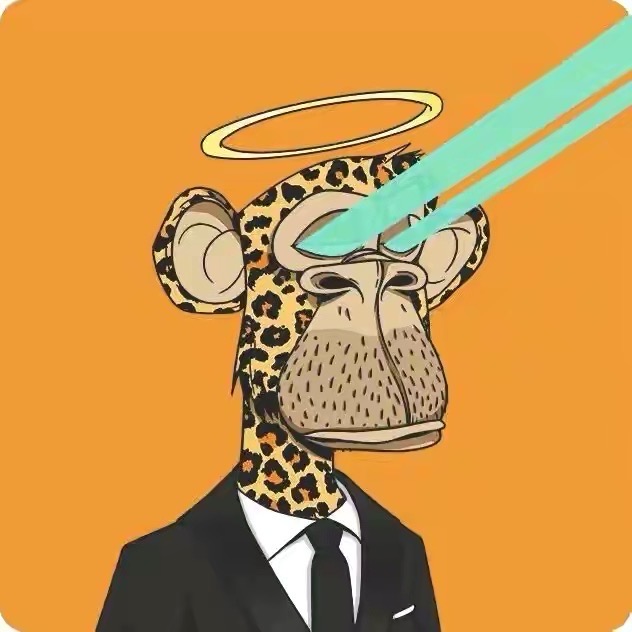
BAYC (bored Ape Yacht club)
Is NFT Art Industry Just A Hype?
NFTs is not just a hype nor a digital storage of artwork. Blockchain contains the artwork’s complete provenance and copyright details that track all transactions and provides unassailable “on-chain” proof of ownership. Blockchain allows artists unsettled by the prospect of drafting their own agreements and prevent intellectual property disputes.
Also, NFT is a revolution of artwork that will galvanize grassroots artists to radically restructure how the art industry could work if they started from the bottom. The only reason digital artwork fails to gain popularity sooner in recent years is because it cannot be tracked. NFTs changes everything. Like physical art, NFTs are either unique or produced in limited editions. The database consists of unalterable “blocks” of transactions, verified cooperatively by the network. The “non-fungible” aspect comes from the fact that each NFT has a value independent of all others, and each NFT has a “Token” — an unique alphanumeric code recorded on the blockchain.
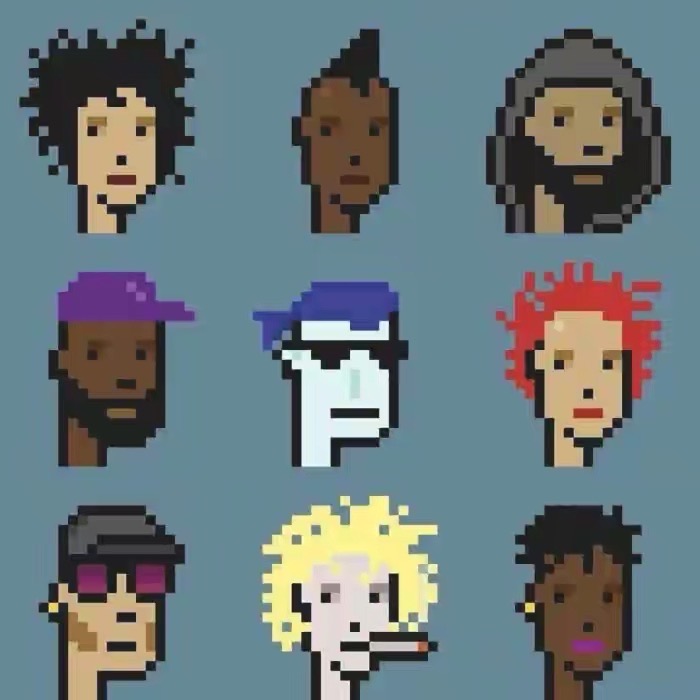
Cryptopunks
Will NFT be the Platform for First Nation Grassroots Artists?
I think NFT Art gallery and NFT Artwork marketplace will become a trending platform for the First Nation Grassroots Artists. NFT is essential for the grassroots artist communities, and a growing number of many young artists are embracing this innovation.
A particular NFT, “CharitiesNFT”, based on the technique of Digital-Twin NFT, is one of the best tools for First Nation Grassroots Artists. Any traditional physical artwork can be digitally mirrored and linked to its unique NFT on a specific customized blockchain, embedding scarcity and rarity, traceability and identifiability, authenticity and non-counterfeited, high-appreciation and up-valuation.
Without CharitiesNFT, the original artist’s esoteric craftsmanship, creation process, tradition, and culture are just embedded behind the artwork: Appreciable and collectable values would not be reflected on entity of the physical artworks. With CharitiesNFT, it develops a NFTizing-by-Hologram system of which all hologram 4D information of a physical artwork (Hologram of a physical artwork together with moments or timeline of every creation stages of the original artist) would be digital-recorded to its pairing CharitiesNFT, bringing high-appreciation, scarcity and rarity in both reality world and Web 3.0 Metaverse.
When someone wants to view any moments of parading the physical artwork or markdown any footprints of famous figures on the artwork, they can embody those information in its pairing CharitiesNFT. It would enrich the artwork’s appreciable and collectable values, bringing high-appreciation and up-valuation in both reality world and Web 3.0 Metaverse. No matter where, who and when, once reconstructed by the specific hologram light sources by optical decrypted with homologous 4D informations linking to the CharitiesNFT. Should intellectual property disputes arise, the authenticity of the physical artwork can be verified with the physical art industry as well as the unassailable “on-chain” proof on blockchains.
In conclusion, CharitiesNFT, a system specialized to NFT physical artwork in Web3.0, is an exciting and hopeful prospect for the First Nation grassroots artists. The CharitiesNFT has the potential to promote high-appreciation and up-valuation of those traditional grass-root artists and their physical artworks in the future.
This is an opinion article; the views expressed by me. Follow Me on Twitter: @hkpltw And @Terry_Terence97
Terence is a Research Coordinator for the Foundation of HKPLTW with interests in history & traditions, social organization & inter-group relations, culture & religion, and economics & politics of Canadian Indigenous People and Visible Minorities. Follow him on Twitter: @hkpltw
Terence is a Research Coordinator for the Foundation of HKPLTW with interests in history & traditions, social organization & inter-group relations, culture & religion, and economics & politics of Canadian Indigenous People and Visible Minorities. Follow him on Twitter: @hkpltw
CharitiesNFT: A kind of digital-twin NFT, promotes NFTizing physical artwork created by grass-root artists, using Hologram and Holo-DKEY for Crypto-Validation.
CharitiesDAO: A kind of DANO (Decentralized Autonomous Non-profit Organization) with an ecosystem of charities founders, individual contributors and receivers, project accelerators and incubators. This is building more transparent and efficient decentralized donation chains.
In a series of articles, I will introduce WHITE PAPER of CharitiesNFT and CharitiesDAO and discuss how they work for Canadian Indigenous Traditional Culture and Grass-root Artists as one of the application scenarios of CharitiesNFT.
Why Are NFTs Promising?
With advancements in technology, we have seen traditional graphic artworks (like oil painting, woodcarving, or photography) been digitalized and preserved in the cloud. These approaches are designed to preserve the integrity of art contents and to retain the ability for users to retrieve, display, and learn about the artworks via the cloud.
With the rise of the NFT technology, NFT allows grassroots artists or traditional visual art communities seize opportunities to tap into an inaccessible market. Being both grassroots and traditional visual artists, NFT will be great for the Canadian First Nation artists. This article will explain why and how the First Nation artists’ artistic skills in woodcarving, painting, and embroidery can transfer easily over to NFT digital art platform.
Why will NFTs benefit the First Nation people? Many First Nation artists are grassroots artists. They are skilled in physical artworks that are by handmade or traditional craftsmanship (like Totem handicraft, Totem woodcarving & wood-engraving & wood-painting). Each piece of their artwork has its value embedded esoteric craftsmanship and creation along with mysterious tradition and culture. Unfortunately, their physical artworks have been unappreciated and undervalued by the mainstream society for too long.
Revolutionize First Nation Grassroots Communities
On top of the limited appreciation and supports, the pandemic take opportunities from the hands of local, grassroots, First Nation artists alike. The artists are unable to mount exhibits. I think that NFT will be a great idea to create a space where celebrated artists could come together and show whatever work they liked and make it available for the public.
NFT has great potential to upend the First Nation grassroots artist communities as we know it. But trying to determine whether they will, let alone in what ways, demands doing what few buyers plunging into this emerging platform and market want to do. NFTs are crypto-collectibles: tradable digital assets (in both the coding and investing senses of “assets”) whose authenticity, identity, ownership history, and sales prices are all tracked on a blockchain. Like physical art, NFTs are either unique or produced in limited editions. The database consists of unalterable “blocks” of transactions, verified cooperatively by the network.The “non-fungible” aspect comes from the fact that each NFT has a value independent of all others, and each NFT has a “Token” — an unique alphanumeric code recorded on the blockchain. NFT’s scarcity is secure, which in turn amplifies demand, which builds a more confident and robust market than digital artworks without blockchain backing.
NFT is friendlier to grassroots artists in the First Nation communities. Many great talents get buried because the pre-existing art industry connections and establishment wield great influence over who gets to participate in a fundamentally hierarchical system. New, decentralized marketplaces of the NFTs welcome artists independent of the art establishment’s approval. The blockchain art space has potential to “change the game” for First Nation grassroots artists because NFTs are giving voice to the voiceless — “Make sure the grassroots can build the art communities they want to build as they see fit.”
The blockchain allows NFT artists to reinvent resale royalties, marketplace structures, and even exhibition design in ways that prioritize their own needs. It is a means of “collectivizing economics” and, if the artists choose, even “combining for-profit and nonprofit structures so people can funnel some of the proceeds into grant-making or charity”.
When it comes to cashing in on art, even the most fortunate artists generally only receive, a merger resale royalty. So, for unappropriated, grassroots artists, they get even less royalties. However, with NFTs, it is a “game changer” for the First Nation grassroots artists. NFTs allow artists to have the potential to benefit proportionally as their works circulate through the marketplace over time, because percentage-based resale royalties can be baked into the terms of every NFT sale. NFT trades is the “smart contract,” a set of commands that executes on the blockchain without outside intervention once objectively verifiable conditions are met.
NFTize Physical Artworks Into “Token” — Unique Alphanumeric Code Recorded On The Blockchain
I believe that system particular for NFTizing physical artworks should be considered in the First Nation grassroots communities. A grassroots organization that provides crowdfunding and community support to First Nation artists looking to produce their first NFTs. It can create “generational and circular economic structures” for every artists and their education into NFT technologies. Furthermore, this grassroots organization can help the artists to digitalize/ or NFTize their physical artworks into “Token” — unique alphanumeric code recorded on the blockchain. In the case for First Nation grassroots artists, we can code information of physical artwork into the token, which is turns is encrypted with a 3D holography of the physical artwork, which in turns shows esoteric craftsmanship and creation of the artist and the tradition and culture embedded behind the artwork. Once data of the artwork is “on-chain,” it cannot be deleted and it can be reviewed forever by anyone — each NFT’s scarcity and provenance are secure.
Digital Twin NFT benefits First Nation artists who are only skilled in physical artwork (handicraft, handmade woodcarving & engraving, embroidery), which can be mirrored and linked to its unique NFT, embedding scarcity, authenticity and up-valuation. CharitiesNFT, based on the technique of Digital-Twin NFT, is one of the best tools for this system. Any traditional physical artwork can be digitally mirrored and linked to its unique NFT on a specific customized blockchain, embedding scarcity and rarity, traceability and identifiability, authenticity and non-counterfeited, high-appreciation and up-valuation. CharitiesDAO via smart contracts can solve the deadlocks, besetting the traditional charities criticized by the public for many years. Ideally, anyone can supervise and scrutinize, which will minimize unnecessary waste and corruption in the whole donation chain.
Summary: Will NFTs Benefit The Grassroots First Nation Artists With CharitiesDAO?
A lack of pre-existing art establishment and a limitless freedom is both good and bad. Decentralization is not always what it is said to be on the textbook. While the NFT thrives on utopian rhetoric about freedom and artist’s rights, distributed systems of the NFT can also lead to disrupted power. The majority of people buying and selling NFTs dependent on platforms. Those platforms vastly simplify the process for users. However, the disrupted technology or the web are now claiming that they have changed the world again, when really it is just the same people making the same stuff for the same people to get rich from.
So, will NFTs revolutionize the art world and benefit the grassroots First Nation artists with CharitiesDAO? I think so. NFTs has galvanized artists to radically restructure how the art market could work if they started from square one. Because in a way, they can. New, decentralized marketplaces can welcome artists and buyers independent of the art establishment’s approval. It will break the norms in art world where the institutions with pre-existing industry connections wield enormous influence over who gets to participate in a hierarchical system.
In my vision, CharitiesDAO is not simply a “DAO” , but is trans-border integration with traditional charities. It will have distinctive infrastructure that is built with unique protocols and rules, which different with those of other DAOs. In web 3.0, CharitiesDAO will be an overthrowing revolution for traditional charities, which is based on decentralized platforms DAOs making the ability to offer “Share-to-Give” that charity resources can we share best and contribute sustainably to maximize value of charity. Also, the new technologies will lead to a new economic system and create charities on #decentralized platforms leveraging DAOs and smart contracts, create an possibility of a more transparent and efficient decentralized donation-chain.
This is an opinion article; the views expressed by me. Follow Me on Twitter: @hkpltw And @Terry_Terence97
Terence is a Research Coordinator for the Foundation of HKPLTW with interests in history & traditions, social organization & inter-group relations, culture & religion, and economics & politics of Canadian Indigenous People and Visible Minorities. Follow him on Twitter: @hkpltw
Terence is a Research Coordinator for the Foundation of HKPLTW with interests in history & traditions, social organization & inter-group relations, culture & religion, and economics & politics of Canadian Indigenous People and Visible Minorities. Follow him on Twitter: @hkpltw
In the age of Web 3.0, CharitiesDAO could be an overthrowing revolution for traditional charities, which is based on decentralized platforms DAOs making the ability to offer Share-to-give that charity resources can we share best and contribute sustainably to maximize value of charity. I believe that web 3.0 technologies: NFT, Blockchains, crypto could lead to a new economic system and create charities on decentralized platforms leveraging DAOs and smart contracts, create an positibility of a more transparent and efficient decentralized donation-chain.
In my vision, CharitiesDAO is not simply a “DAO” , but is trans-border integration with traditional charities. It will have distinctive infrastructure that is built with unique protocols and rules, which different with those of other DAOs. In web 3.0, CharitiesDAO will be an overthrowing revolution for traditional charities, which is based on decentralized platforms DAOs making the ability to offer “Share-to-Give” that charity resources can we share best and contribute sustainably to maximize value of charity. Also, the new technologies will lead to a new economic system and create #charities on decentralized platforms leveraging DAOs and smart contracts, create an possibility of a more transparent and efficient decentralized donation-chain.
This is an opinion article; the views expressed by me. Follow Me on Twitter: @hkpltw And @Terry_Terence97
Terence is a Research Coordinator for the Foundation of HKPLTW with interests in history & traditions, social organization & inter-group relations, culture & religion, and economics & politics of Canadian Indigenous People and Visible Minorities. Follow him on Twitter: @hkpltw
Terence is a Research Coordinator for the Foundation of HKPLTW with interests in history & traditions, social organization & inter-group relations, culture & religion, and economics & politics of Canadian Indigenous People and Visible Minorities. Follow him on Twitter: @hkpltw
Action And Accountability Are What is Needed
The B.C. Process fails at settling issues of Aboriginal title in practice. This could be cynically summarized as “Yes, Aboriginal title exists. But, the British Columbian government cannot do anything else besides proofing the existence of the title”. In other words, the problem of the B.C. Treaty Process is that it only deal with grievances related to Aboriginal claims to land where, in the perspective of the Crown, the question of title had not been addressed through historical treaties. Thus, many First Nation communities have found process as a means to extinguish Aboriginal title in exchange for rights and benefits outlined in the process itself. They argue that this concept would only achieve certainty or reach agreements never to assert certain rights, making their rights inalienable.
Many legal experts and Aboriginal right activists have called for the British Columbian and federal governments to listen to will of First Nation peoples and fix the errors identified, particularly the constitutionally required consultation with First Nation peoples. Motivated mainly by the search for a quick fix, the British Columbian government created the B.C. Treaty Process in order to finally reach agreements with First Nations over Aboriginal tittle. However, the “constitutionally required consultation with First Nations” is unacceptably flawed and have fell well short of title settlement standard.
I view the B.C. Treaty Process as a great opportunity for British Columbia to fundamentally change the way it approaches Aboriginal rights in decision-making. But it has to stop aiming for the lowest bar. The derailment can be trace to the mentality of the British Columbian government, rooted in federal government, carries with it the notions that have long viewed Indigenous peoples with a sort of colonial contempt, treating engagement and rights as a burden rather than a constitutional duty. More often than not, this resulted in British Columbian government seeking to do the least possible, and nothing more. This approach relied on the hope that minimally consulted First Nation groups would not bring their grievances to court, and the cost of litigation discourages many First Nation groups from suing.
Actions Are What Count. Just Recommendations is Hollow
Many First Nations expressed the view the British Columbian government have already made up their mind to extinguish title in favour of government before any treaty talks and consultations. This allow the government to continue developing lands at the expense of First Nation communities. In spite of attempts to follow directions set by B.C. Process, the British Columbian government fails to meet the mark.
In my opinion, I believe that B.C. Treaty Process would be a meaningful consultation can avoid a charge of infringement to adequately consult by obtaining the consent of the First Nation communities. Aiming for minimum means that the starting point of process should be the recognition of the inherent rights for First Nation peoples to make decisions about what happens to their homelands and territories.
I believe that the absence of mutual accountability enables all levels of Canadian government and other institutions to continue to run roughshod over First Nation rights, treaties and promises. The courts, with all of their expense, delay and imperfection, become the place of last resort to prove or test infringement of rights. Actions are what count! Recommendations is ‘hollow’ without action and accountability.
This is an opinion article; the views expressed by me. Follow Me on Twitter: @hkpltw And @Terry_Terence97
Terence is a Research Coordinator for the Foundation of HKPLTW with interests in history & traditions, social organization & inter-group relations, culture & religion, and economics & politics of Canadian Indigenous People and Visible Minorities. Follow him on Twitter: @hkpltw
Terence is a Research Coordinator for the Foundation of HKPLTW with interests in history & traditions, social organization & inter-group relations, culture & religion, and economics & politics of Canadian Indigenous People and Visible Minorities. Follow him on Twitter: @hkpltw
The B.C. Treaty Process and Canada’s general cases with the First Nations reflect a view that the First Nation decision-making authority inherent in Aboriginal title, and in an Indigenous laws and rights, does not apply until it has been determined in court or recognized by the Crown in an agreement. This view ultimately put the burden of proof on First Nation communities to prove to state institutions that Aboriginal title exist in order for that pre-existing titles to apply. This is in contrast to the recognition approach, which starts by acknowledging First Nation rights and title.
More than two decades after the B.C. Treaty Process was created, continued pattern of making decisions in the absence of First Nation consent — without resolving the underlying Aboriginal title — undermines the constitutional foundations.
This approach creates distrust among the First Nation communities. Despite the B.C. Treaty Process trying to reach agreements with First Nations over title, many First Nation peoples are uncomfortable accepting to resolve issues of Aboriginal title using non-Aboriginal systems. Due to the general and widespread distrusts, the B.C. Treaty Process is viewed controversially.
As a result, many First Nation communities found themselves at cross purposes with the British Columbian government and the Crown. Summarizing their viewpoints, they generally believe the process would never only continue developing lands at the expense of First Nation peoples — to cede their title aside from what is explicitly outlined in the treaty. The debates are numerous and ongoing.
To improved relationship with First Nations, I think there are two points. First of all, the constitutional recognition of the inherent rights and Aboriginal title would be the necessary approaches at reconciliation and to Indigenous rights. These approaches means implementing consent that allows First Nation peoples to make decisions about what happens to their territories. Furthermore, a meaningful consultation means including First Nations in the design of the consultation and review processes, something that First Nations communities have been demanding. Not only would this reduce future appeals, it would also result in better decisions.
Terence is a Research Coordinator for the Foundation of HKPLTW with interests in history & traditions, social organization & inter-group relations, culture & religion, and economics & politics of Canadian Indigenous People and Visible Minorities. Follow him on Twitter: @hkpltw
Terence is a Research Coordinator for the Foundation of HKPLTW with interests in history & traditions, social organization & inter-group relations, culture & religion, and economics & politics of Canadian Indigenous People and Visible Minorities. Follow him on Twitter: @hkpltw
As mentioned in my previous commentary, the approach shown in the B.C. Treaty Process fails to at settling issues of Aboriginal title, as the process undermines any meaningful attempts at reconciliation by showing willful blindness to the rights of First Nation peoples.
Legally there is no question that Aboriginal title exists, and there is no doubt that related rights of First Nation communities to make decisions about and govern their territories also exist. Despite this recognition, legal reality of the B.C. Treaty Process held back Aboriginal title and land treaty. The biggest problem of the B.C. Treaty Process is that it only deal with grievances related to Aboriginal claims to land where, in the perspective of the Crown, the question of title had not been addressed through historical treaties.
Systemic Problem: Quick Fix Approach
The B.C. Treaty Process represents a systemic problem by both the British Columbian and federal governments. The problem is that the search for a quick fix is the kind of thinking that got British Columbia and Canada into this mess in the first place. Canadian federal and British Columbian governments have long viewed First Nation peoples with a sort of colonial contempt, treating rights and engagement as a threat and a burden rather than a constitutional and moral duty. More often than not, this resulted in governments seeking to do the least possible, and nothing more. For these reasons, many propels consider the B.C. Treaty Process to have failed at settling issues of Aboriginal title.
This approach resulted in the disagreements and distrust from many First Nation communities, who have found B.C. Treaty process as a means to extinguish Aboriginal title in exchange for rights and benefits outlined in the process itself. From their viewpoint, the B.C. Treaty Process is only dealing with grievances related to First Nation claims to land where, in the perspective of the Crown, the question of title had not been addressed through historical treaties. They argue that the concept in the process would only achieve certainty, making their rights inalienable.
Held the Crown to a Consultation But Not Consent
When it comes to development proposals and other projects, federal and British Columbian governments have held the Crown to a standard of consultation, but not consent. Although the Canadian law system recognizes and acknowledge the existence of Aboriginal title, all levels of the governments are divided on whether or not it continues to exist. Determining the continued existence of title is a responsibility of the Crown, although the burden of proof entirely rests on First Nations to prove it exists.
Aboriginal title and related rights are proven in court or resolved by agreement with the Crown. However, the Crown has not been on a slow peace at reaching agreements with First Nation Communities regarding exercise of Aboriginal title. Crown representatives and First Nation communities might have issued treaties in an effort to resolve issues of outstanding Aboriginal title. These treaties set out agreements as to limits of Aboriginal rights and title. In other words, the Crown representatives proceed to avoid truly accept accepting Aboriginal title as a constraint on Crown decision-making.
Hanson, Eric. “Aboriginal Title.” Indigenous Foundations. First Nations and Indigenous Studies UBC, 2009. Accessed 20 December 2021.
Raibmon, Paige, “Unmaking native Space: A genealogy of Indian Policy, Settler Practice, and the Microtechniques of Dispossession” in Alexandra Harmon, ed. The Power of Promises: Rethinking Indian Treaties in the Pacific Northwest. Seattle: University of Washington Press, 2008: 56-85.
Tennant, Paul, Aboriginal People and Politics: The Indian Land Question in British Columbia, 1849-1989 Vancouver: UBC Press, 1990.
Woolford, Andrew. “Negotiating Affirmative Repair: Symbolic Violence in the British Columbia Treaty Process.” Canadian Journal of Sociology, vol. 29, no. 1, 2004, pp. 111.
This is an opinion article; the views expressed by me. Follow Me on Twitter: @hkpltw And @Terry_Terence97
 Foundation of HKPLTW (Canada)